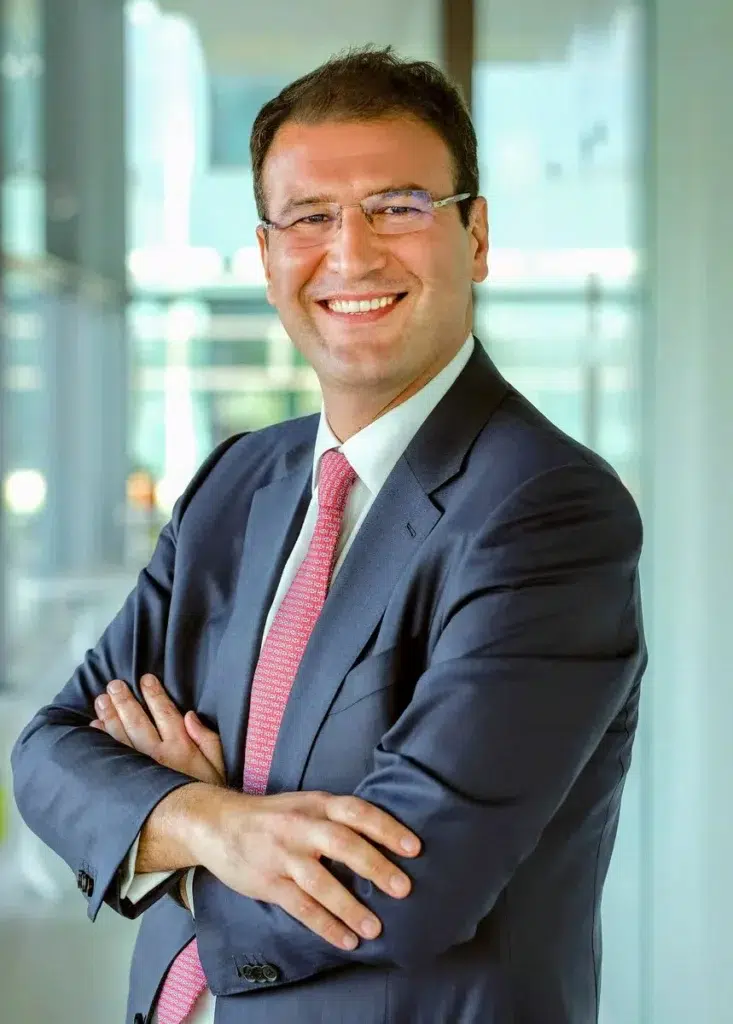
Benoît Buridant, CEO and co-founder of Frenchfounders, tells us from New York why French entrepreneurs succeed so well abroad, to the point of transforming themselves upon contact with a new culture.

Benoît BURIDANT
CEO and co-founder, Frenchfounders
DR
Why did you create Frenchfounders, a little over ten years ago?
Together with my partner Vincent Deruelle, we created Frenchfounders for a simple reason: at the time, French expatriate entrepreneurs hardly knew each other, even though they had everything to gain from helping each other. Settling in a foreign city takes time, unless you rely on those who have already made the mistakes before you. We wanted to structure this help and break a persistent habit: each sector remained separate from the others—tech with tech, luxury with luxury.
Is there a «French Touch», a French way of managing and doing business that travels well?
The great strength of the French is their versatility; whereas the Americans often remain stuck in one area. This explains why we export well in so many fields: wine, gastronomy, engineering, luxury. We also have very good managers. Ralph Lauren is today run by a Frenchman; that is no coincidence. The same goes for Estée Lauder. And although this «patriarchal» management that we are sometimes told is working well, it is because we have been educated at very good schools.
Do the French really have a reputation as serious workers abroad, or do they still perpetuate the stereotype of 35-hour workdays and long lunch breaks?
Frankly, I don’t believe in this stereotype. In the United States, we work a lot because we are outsiders and we are made to understand this very quickly. A single bad news story in France is enough to cost us dearly in terms of image. But all the French people I know are hard workers. On the other hand, I do nuance regarding entrepreneurial success: those who start their own businesses here often succeed better than those who export a model conceived in France. The problem is not the know-how; it’s how to co-exist two different business cultures within the same structure. It’s very difficult.
How do Americans perceive France today?
The gaze often turns to politics. There was a period when everything was going well with Trump, but now the atmosphere has changed. Once this filter is set aside, the image of France remains very good in New York. There are large French groups present here, from luxury to fine dining, and Americans quickly get closer to bakeries, good restaurants, and craftsmanship. On a daily basis, I never feel rejected: I am rather very well received in American culture.
Once settled in the United States, what is the most lacking for expatriate French people?
Quality of life, clearly. Here, financial pressure is constant: rents are rising, you can lose your job in two days, there is no safety net comparable to the French unemployment system. The French healthcare system and public school remain a benchmark for me: private schooling in New York costs a minimum of 60,000 dollars a year, starting at the age of three. And yet, not everyone returns to France. There are those who give up, because they lack the means to keep up the pace here. And there are those who stay, because the wage gap with France is such that they can no longer afford to leave: between the loans and the commitments made here, returning would be a real sacrifice. And this changes behavior. I have in mind a French woman who was recently transferred to San Francisco: she became someone else almost overnight. In Paris, her concerns revolved around working conditions and leave; here, the question is unique: how to earn more money this year?
«In Paris, concerns revolved around working conditions and leave; here, the question is unique: how can I earn more money this year?»
Benoît Buridant