At Datadog, we speak English, we work in an American way and we manage remotely. Its European HR director, Thibault Darsy, explains why a very French reflex still persists.
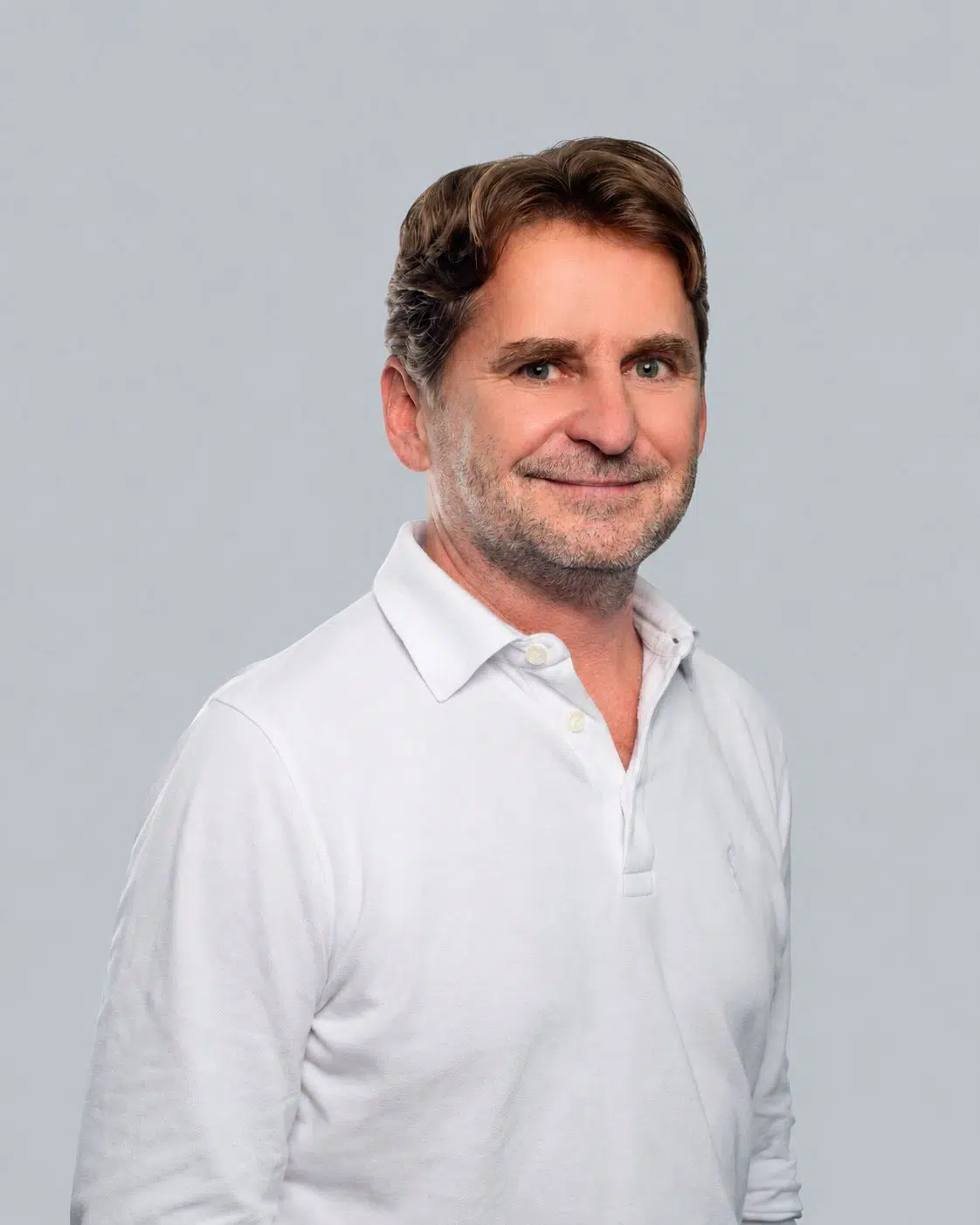
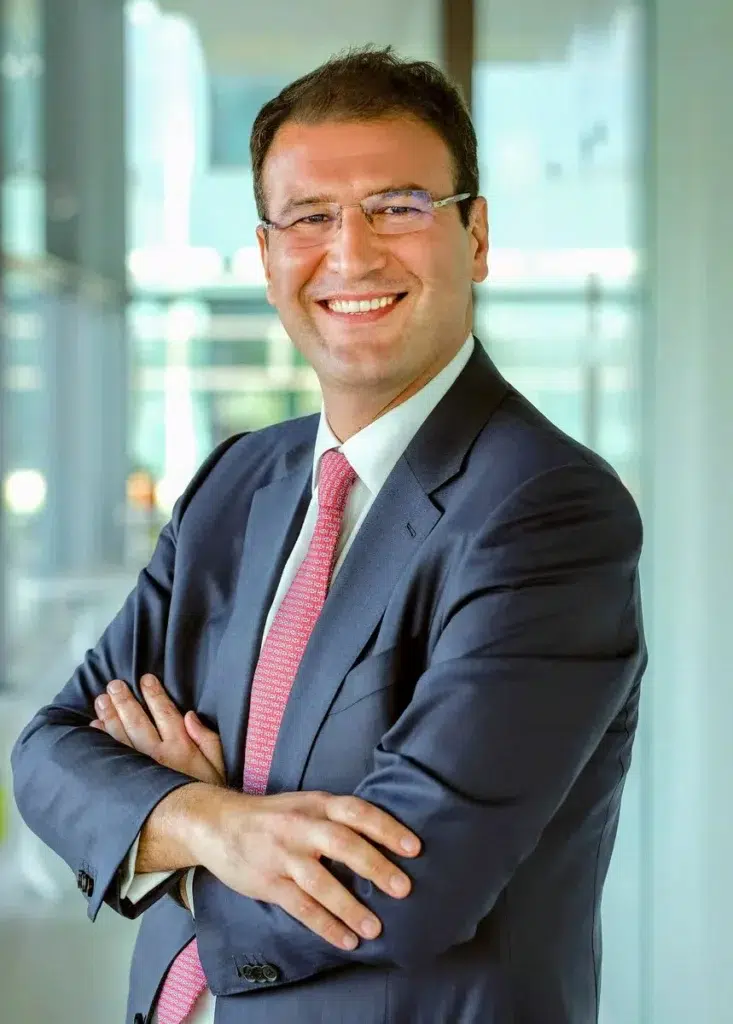
Thibault DARSY
DRH Europe, Datadog
DR
Datadog was founded by two French people, but it has a very American culture. How does that translate into everyday life?
That’s what makes us so unique. Today, Datadog has more than 8,000 employees spread across about thirty countries, several hundred of whom are based in Paris. Yet our culture is deeply American. Many of our employees are managed from abroad, sometimes from several thousand kilometers away. Goals, working methods, and processes are therefore designed on a global scale before being applied at the local level. This common culture is also reflected in our offices. Whether you’re in Paris, New York, or Madrid, you’ll find the same spaces, the same furniture, the same visual codes. Wherever you are, you feel like you’re at Datadog.
Behind this common corporate culture, however, cultural differences remain very present. How do you take them into account as HR managers?
It’s even an essential part of my job. I’m very sensitive to these intercultural issues, both because of my background, my profession, and my personal interest. I’m convinced that you can’t manage everyone the same way. I’ll take two examples, a bit caricatured but very telling. My Vietnamese colleague, named Kim, shows impressive resilience. No matter the workload, difficulty, or context, she remains positive and never complains. This makes me particularly vigilant. If I don’t pay close attention to her work schedule, she’ll never tell me that she’s overworked. In their culture, there is a very strong emphasis on hierarchy, well-done work, and individual responsibility: acknowledging that one is no longer up to the task can be perceived as a personal failure. Therefore, it is my job to detect weak signals before they are expressed. Conversely, my Dutch colleague Emma has an extremely direct communication style. During a meeting, she can tell me: «What you told me the other day didn’t suit me. Next time, I would like you to say it to me in a different way.» The first time this comes as a surprise. Then we realize that this openness is also very comfortable: everyone knows exactly what the other person is thinking, without ambiguity. Therefore, I do not have the same communication style with both of them. With Kim, I am more attentive to weak signals; with Emma, I can be much more direct. Managing an international team is, first and foremost, about knowing how to adapt to the people you have in front of you.
And when these employees arrive in France, what is the thing that most frustrates them?
The French pay slip, without hesitation. We reach a peak of incomprehension. Every month, our teams organize «open hours» solely to answer questions about the pay slips. They also discover a vacation system very different from what they are used to: RTT, time savings account, deferral of vacation… For many of them, it’s difficult to understand. In the United States, vacation days are allocated and then taken, without this accumulation of mechanisms. The same goes for sick leave: having to send a receipt within 48 hours or else not being paid seems completely absurd to them.
How do you help them discover the French system?
We have completely redesigned our guidebooks for expatriates. They detail the main administrative procedures, but also very practical aspects of daily life: the neighborhoods to live in, transportation, restaurants around the office. We have adapted this guide for our main European locations – Paris, Madrid, Lisbon, Amsterdam, Dublin – always using the same model so that everyone can find their bearings upon arrival.
Despite this very American corporate culture, is there still a distinctly French touch?
Yes, the time for lunch. My boss, who is American, is surprised every time we have coffee together in the morning and then we all have a real lunch break together. In the United States, the work relationship remains more transactional: you come, you work, you leave. Yet in all our offices, in New York, Paris or Tokyo, we offer three meals prepared by real caterers once a week. That’s perhaps our French Touch: no visible policy on a wall, but a daily habit that we ended up exporting without really realizing it.
What does Paris offer foreign talents that other cities do not have?
There is first of all an obvious way of life that foreigners appreciate: the culture and the gastronomy. There is also our education: our great engineering schools produce profiles that recruits seek to find in their colleagues. Paris remains a mythical capital. Even when prospective employees are offered Madrid or Lisbon, it is very often Paris that wins out.
«Paris remains a mythical capital.»
Thibault Darsy