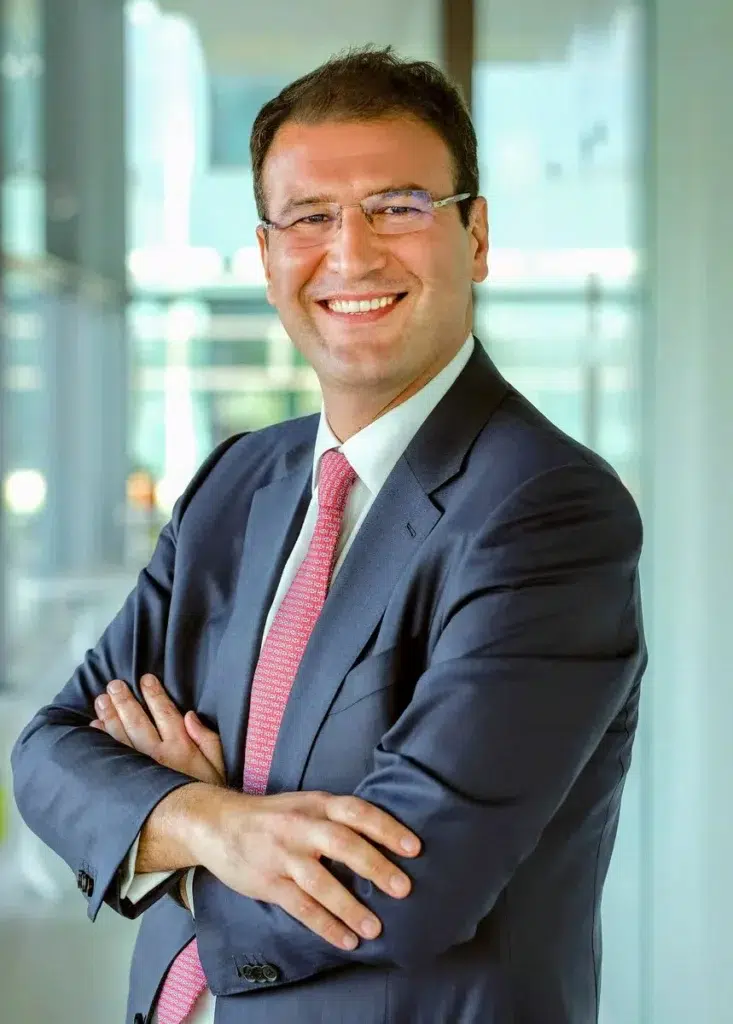
Does Paris keep its promises better from the outside? Frédéric Dabi and Pierre-Yves Bonnaud share their reading of the study.

Pierre-Yves BONNAUD
Asset Management and Client Management Director, Colonial SFL
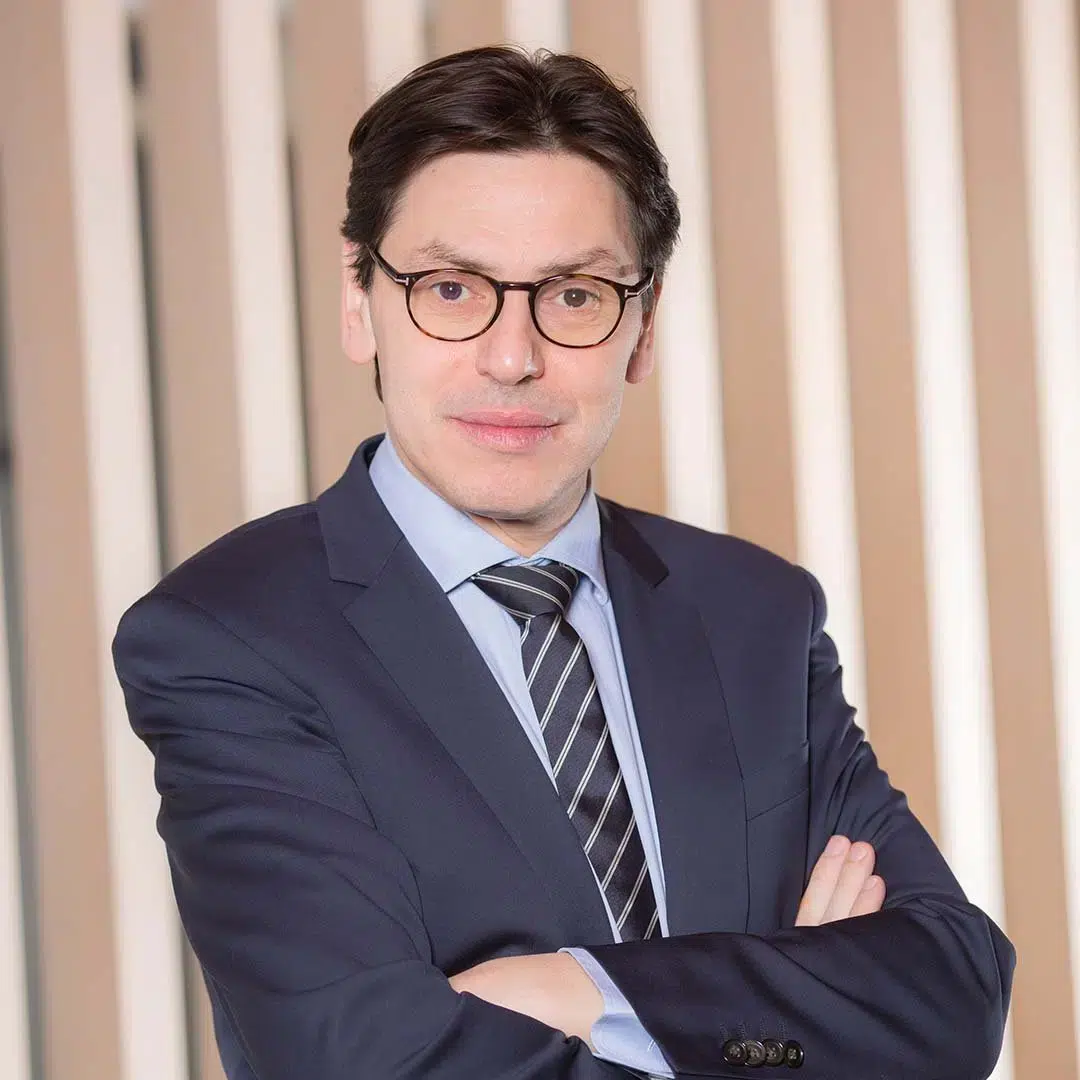
Frédéric DABI
General Director of Opinion, Ifop
Upon reading this study, what still makes Paris so powerful?
Frédéric Dabi: In an environment where decline has become a very present theme, the French are looking for reasons to reassess their situation. Paris’s attractiveness is part of the answer. It is based on its economic and entrepreneurial dynamism, but also on broader assets linked to France. The study shows that the social protection model is considered an asset by 91 % of the expatriates surveyed. Their perspective is also less critical than that of the French regarding certain irritants.
Pierre-Yves Bonnaud: Paris is a world city. In Europe, there are actually very few of them, mainly Paris and London. Its image power is considerable and has been further strengthened by the Olympic Games and the reopening of Notre-Dame Cathedral. But its strength is also economic. Its business heart is very concentrated and the city hosts a wide variety of sectors, headquarters, and activities. It depends less on a dominant industry than some other large metropolises, which makes it more resilient to economic cycles.
Why watch Paris through the eyes of expatriates?
F. D.: Their interest is to offer us points of comparison. They live and work in France while maintaining an external culture. We asked them questions that we have been asking French employees for a long time about their relationship with the office, colleagues, the neighborhood, or work.
PY. B.: The French tend to self-flagellate while investors, tourists, employees and international groups continue to rely on Paris and France. It was therefore interesting to look at Paris from the outside.
What does their perspective on our work culture reveal?
F. D.: A less impermeable boundary between professional life and personal life. Expats are more likely than French people to consider that they can enjoy life here. They also perceive the company as a community: colleagues can become friends and the office can become a place of life. Lunch, coffee or a drink after work are part of this continuity.
PY. B.: Paris offers a form of compromise between professional achievement and personal development. Work is an opening to others, to culture, to debate, to the city. Where some metropolises are very directly structured by business, the Parisian experience can nurture a broader personal trajectory.
Beyond professional experience, what attracts expatriates?
F. D.: The postcard works. The beauty of Paris, its architecture and especially its cultural richness are very strongly emphasized. Going out, having a drink, and having lunch outside are all part of the experience. Most importantly, there is no major disappointment once you settle in.
PY. B.: An expatriate comes with a family, expectations, and a way of life. Transportation, services, social protection, or access to a daycare center can all count. Paris has very high-quality social infrastructure, transportation, and tertiary real estate. Many expatriates have lived in several metropolises and have a positive view of dimensions that we ourselves criticize.
« Paris offers a form of compromise between professional achievement and personal development.»
Pierre-Yves Bonnaud
What place does the office hold in this experience?
F. D.: For expatriates, professional life doesn’t stop at the office door. They largely agree with the idea that it’s a place where they like to spend time. And its impact is measurable: those who consider it a place of life rate their well-being at work at 7.7 out of 10, compared to 6.5 for those who see it only as a place of work.
PY. B.: The office has become a «totem» place: an area that tells the story of the company, its values and its mission, but above all a place that brings people together and fosters collective intelligence. In Paris, the address itself has value. Saying that you work on the Champs-Élysées can have a status dimension comparable to an address on Fifth Avenue in New York. There is a real signature of Paris.
Which result surprised you the most?
PY. B.: Paris does not disappoint. Some aspects may raise questions before arrival: the management, the penchant for debate, the French tendency to be sarcastic, among others. However, once the experience is lived, the balance is very positive. For an investor as well as for a company, this level of transparency is an asset. Paris is a long-term investment: its heritage is identifiable, protected, and rare.
F. D.: First, a majority of expatriates do not consider that French people work less than in other countries: the stereotype of the «lazy» Frenchman is therefore not dominant. Second, they dispel most clichés about the French… but are much more critical of «French-style» management.