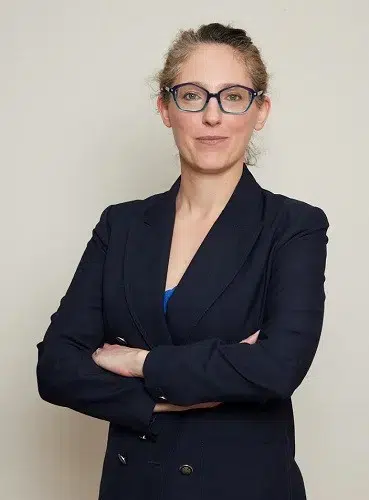
Michaela Wiegel, a German correspondent in Paris for 20 years, observes from the inside what distinguishes French work.
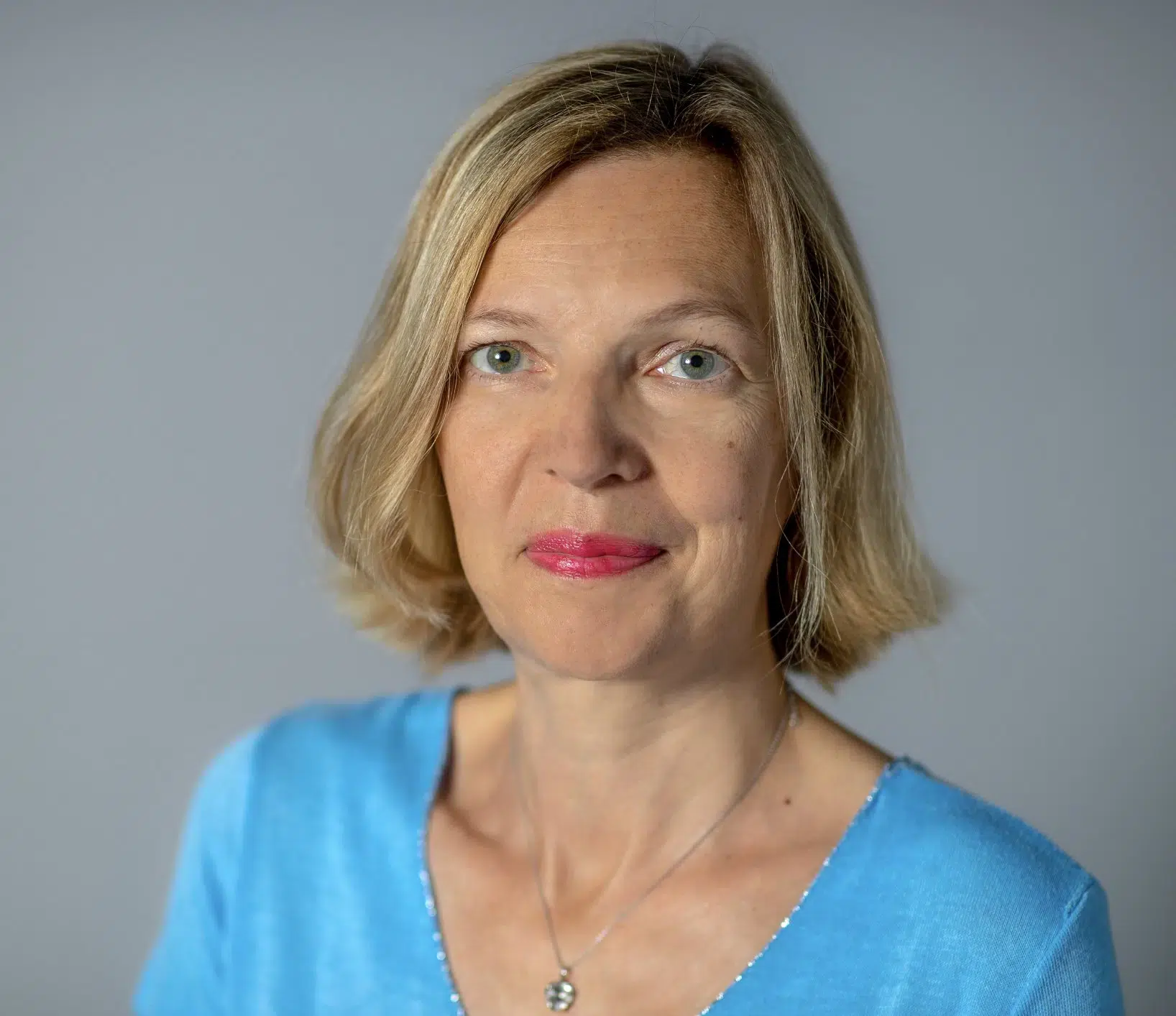
Michaela WIEGEL
Correspondent journalist, Frankfurter Allgemeine Zeitung
© FAZ
Can we really talk about a French work style? How would you describe it to a German reader?
The French have a real talent for improvisation, and that’s no cliché: we Germans are more rigid than they are. In our country, we take time to agree on a framework, but once that framework is set, we stick to it to the letter. In France, freedom remains open from the outset, and we adapt as we go along. I covered the G7 last June, and I still observed this French ability to react quickly to the unexpected, which is often lacking in the Germans.
Is this freedom also reflected in office hours?
In Germany, there is a saying: work is work, free time is free time. In France, because the work schedules are longer, there is less of a clear break. This difference is present from childhood: our school systems are already very different. In Germany, education begins early in the morning, and this pattern continues in the workplace. In France, school is very long, which explains the importance of the lunch break: you have to keep up, and the schedules are often very long, especially in Paris.
And in the report to the hierarchy, is this same freedom still found?
Not at all, and that’s a real paradox. The ministries and public companies, which I often visit, remain very hierarchical: the lower level cannot decide anything as long as the boss hasn’t decided. In Germany, by contrast, the hierarchy is less clear: the boss will wish his employees a happy birthday, he will even give them a gift. It’s more flexible.
Do you see any other major cultural differences in the way people work?
In Germany, when things are not going well, there is a lot of frankness in speaking out and resolving conflicts. In France, we tend to sidestep the issue: we say «it’s between us, but we need to see it that way.» For a German, this is difficult to understand. I have a friend of German origin who manages a lot of employees in France: when things are not going well, she tells them things very frankly, but she also very regularly invites them to have lunch. Her employees are completely at a loss for words.
In your opinion, what is the real advantage of the French model?
The fact that women work and have a family is a very big advantage compared to the German culture, which remains skeptical about a woman being able to work and lead her family life at the same time. There is a huge percentage of women who work part-time once they become mothers in Germany. In France, for me, there is no such barrier. Access to daycare is complicated in Germany, whereas in France everything is put in place to facilitate returning to work after a maternity leave.
Is the office layout also important in both countries?
Yes, clearly, and it’s also a generational issue. Salary is no longer the only factor of attraction, especially for young people. There is an offer of comfort, if we define comfort not by air conditioning, but by services offered, especially sports facilities, bicycles, and the location of the building. I can speak for my own newspaper: we moved three or four years ago, and the layout is completely different now. We kept a large common area, but also lots of small spaces for two or three people to sit down. The canteen used to be for quick meals; now it’s an environment of enjoyment.
Why is it so difficult for Paris to attract German talent?
The barrier is language. Berlin is considered a city where you can settle even without speaking German; Paris is a city where, in any case for the Germans, you need to master French. This barrier becomes stronger with the years, because German teaching in France has suffered a lot, and it’s a bit the same with French in Germany. In both our countries, we are moving towards generations that have become English and Spanish speakers.
Would you say that you are proud to work in Paris?
Answers from expatriates, percentages according to seniority
Absolutely proud
Rather proud
The figure at the bottom indicates the total number of proud expatriates (quite a + rather).